
It's easy to fall in love with your dream house (and the idea of finally buying one), and we all know that when you're as enamored as you are pressured to take a big leap, your judgment could be…
It's easy to fall in love with your dream house (and the idea of finally buying one), and we all know that when you're as enamored as you are pressured to take a big leap, your judgment could be clouded. Remember that stakes are high when you’re purchasing a house, so here’s a list of major mistakes you should avoid doing at all costs:

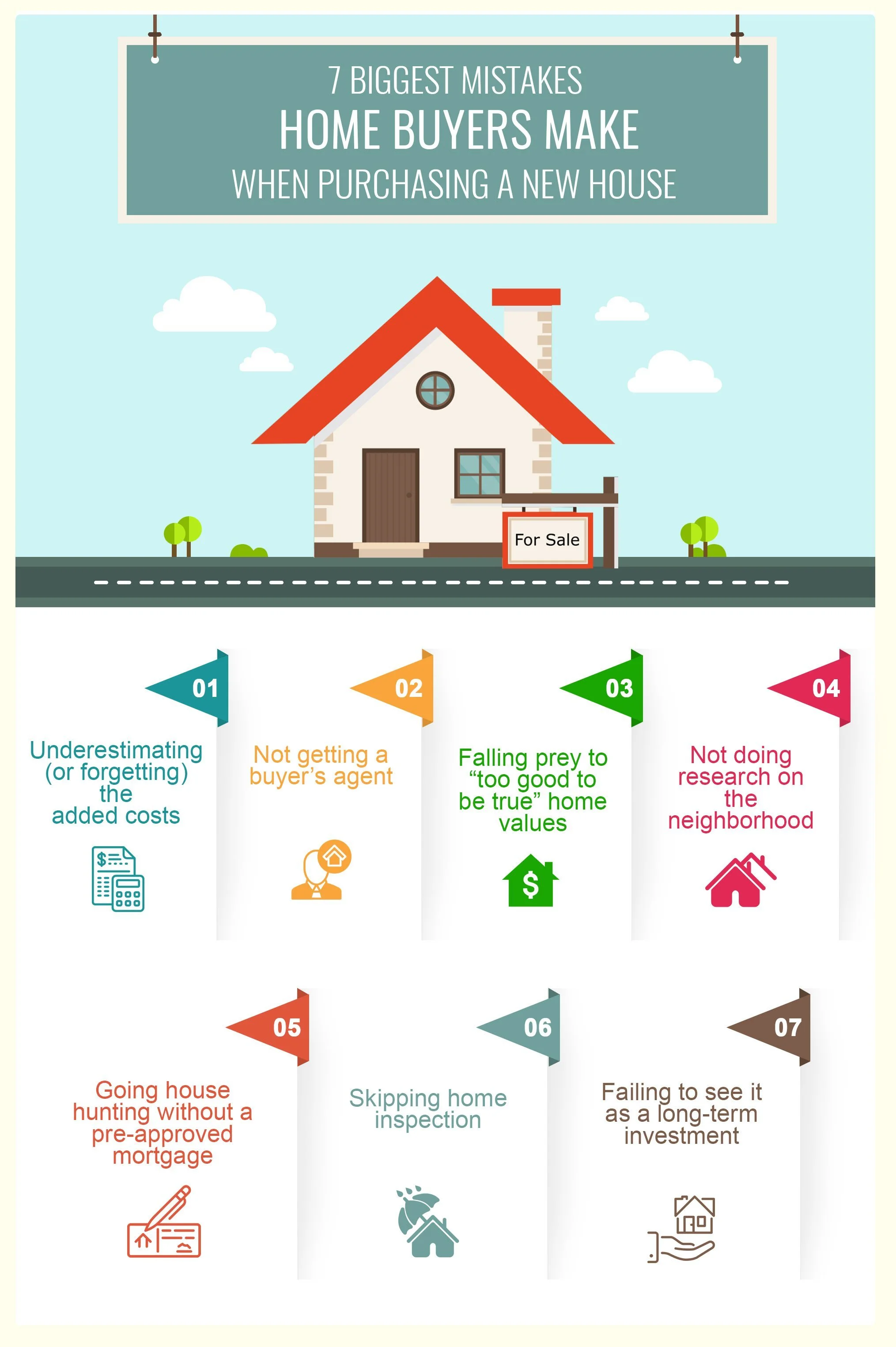
1. Underestimating (or forgetting) the added costs
Buying a house entails a list of expenses other than the price of the house itself. There are loan application costs, mortgage insurance, and closing costs, to name just a few. You may also need to spend on several renovations once you move in. One tip: a fourth (or better, half) of the price of the house should be stashed in your account in order to cover for these expenses.
2. Not getting a buyer's agent
Getting an agent who will represent you as a buyer could give a more critical eye to deals and transactions, as opposed to negotiating solely with a seller's agent who’s legally obligated to work for their client’s interests.
3. Falling prey to “too good to be true” home values
These advertised low rates are all over the internet, and online home valuation sites can set unrealistic payment expectations. It’s good to have an experienced real estate agent explain the rationale on market prices through a conducted comparative market analysis based on internal industry data.
4. Not doing research on the neighborhood
You might have found the house of your dreams, but hey, it doesn’t exist in a bubble. It’s best to know about the status of the location of the house in terms of the ease of transport around the area, the crime level, presence of earthquake fault lines, proximity to schools, hospitals, and police stations, etc.
5. Going house hunting without a pre-approved mortgage
Getting pre-approved for a mortgage plan requires a professional evaluation of your credit report and credit score, which puts you in place in terms of your finances: how much could be lent to you, and how much you could afford to regularly pay.
6. Skipping home inspection
A house could look like it’s in top shape but it’s not impossible that it has some share of defects. A certified home inspector with a trained eye can spot problems which you could miss like termite infestations and gas leaks. If significant issues are detected, you may negotiate with the buyer to lower the price.
7. Failing to see it as a long-term investment
It may be appealing to you to own a great house, but there are also a lot of things to consider. Ask yourself first if you could stay and work around that location for more than 3 years, and if your family could live a peaceful and thriving life in that neighborhood. If the answer is no, it would most likely be that you’re only throwing around your hard-earned money and effort.
Related Articles

Can You Work With Multiple Real Estate Agents at the Same Time?
When you're buying a home, it can be tempting to think that working with several real estate agents will give you a huge advantage. More agents could mean more listings, more connections, and more…

Here's One Thing Most Home Buyers Forget to Budget For: Landscaping
A stunning yard, with its fresh lawn, lovely trees, and colorful flower beds and gardens, can absolutely boost curb appeal and home value. These features help create a powerful first impression to…
Understanding Cash to Close When Purchasing A Home
Even before starting your home-buying journey, you're probably already aware that the numbers aren’t just about the home’s purchase price and your down payment. There are dozens of smaller fees…